
• Latest
  • Trending
Privacy policy

What is the EU Data Act?

7. July 2023
ChatGPT and lawyers: recordings of the Weblaw launch event

Private AI use in the company

24. October 2025
Lego brick still protected as a design patent

App purchases, in-app purchases and sales tax

21. October 2025
dsgvo 1

What belongs in a DPA? Data processing agreement in accordance with Art. 28 GDPR

17. October 2025
Smart contracts in the insurance industry: contract design and regulatory compliance for InsurTech start-ups

Contract for work vs. service contract in software, AI and games projects

15. October 2025

Influencer contract: performance profile, rights/buyouts, labeling and AI content

13. October 2025
AI content for subscription platforms

AI content for subscription platforms

29. September 2025
E-sports finally charitable? What the government draft of the Tax Amendment Act 2025 really brings

E-sports finally charitable? What the government draft of the Tax Amendment Act 2025 really brings

23. September 2025
Clubs, photos and minors: managing consent properly

Clubs, photos and minors: managing consent properly

22. September 2025
AI faces, voice clones and deepfakes in advertising: rules of the game under the EU AI Act and German law

AI faces, voice clones and deepfakes in advertising: rules of the game under the EU AI Act and German law

17. September 2025
Modding in EULAs and contracts – what applies legally in Germany?

Modding in EULAs and contracts – what applies legally in Germany?

8. September 2025
Arbitration agreements in EULAs and developer contracts

Arbitration agreements in EULAs and developer contracts

7. September 2025
Chain of title in game development: building a clean chain of rights

Chain of title in game development: building a clean chain of rights

6. September 2025
Fail-fast clauses in media productions – what are they actually?

Fail-fast clauses in media productions – what are they actually?

5. September 2025
Founder’s agreement vs. shareholder agreement: setting the course for startups at an early stage

Founder’s agreement vs. shareholder agreement: setting the course for startups at an early stage

12. August 2025
Cheat software without code intervention: What the BGH really decided in the Sony ./. Datel case (I ZR 157/21)

Cheat software without code intervention: What the BGH really decided in the Sony ./. Datel case (I ZR 157/21)

11. August 2025
Digital integrity as a (new) fundamental right: status in Germany and the EU in 2025

Digital integrity as a (new) fundamental right: status in Germany and the EU in 2025

10. August 2025
European Economic Interest Grouping (EEIG)

EU Digital Decade 2030: Data law, Data Act & eIDAS 2 – what needs to be implemented in 2025

8. August 2025
Upload filters between copyright and personal rights

Upload filters between copyright and personal rights

7. August 2025
On-demand transmission right in the digital space: streaming, Section 19a UrhG and licensing

On-demand transmission right in the digital space: streaming, Section 19a UrhG and licensing

6. August 2025
Q&A: Legal issues for game developers

5-day guide: Founding a game development studio

5. August 2025
  • Mehr als 3 Millionen Wörter Inhalt
  • |
  • info@itmedialaw.com
  • |
  • Tel: 03322 5078053
Kurzberatung
Rechtsanwalt Marian Härtel - ITMediaLaw

No products in the cart.

  • en English
  • de Deutsch
  • Informationen
    • Ideal partner
    • About lawyer Marian Härtel
    • Quick and flexible access
    • Principles as a lawyer
    • Why a lawyer and business consultant?
    • Focus areas of attorney Marian Härtel
      • Focus on start-ups
      • Investment advice
      • Corporate law
      • Cryptocurrencies, Blockchain and Games
      • AI and SaaS
      • Streamers and influencers
      • Games and esports law
      • IT/IP Law
      • Law firm for GMBH,UG, GbR
      • Law firm for IT/IP and media law
    • The everyday life of an IT lawyer
    • How can I help clients?
    • Testimonials
    • Team: Saskia Härtel – WHO AM I?
    • Agile and lean law firm
    • Price overview
    • Various information
      • Terms
      • Privacy policy
      • Imprint
  • Services
    • Support and advice of agencies
    • Contract review and preparation
    • Games law consulting
    • Consulting for influencers and streamers
    • Advice in e-commerce
    • DLT and Blockchain consulting
    • Legal advice in corporate law: from incorporation to structuring
    • Legal compliance and expert opinions
    • Outsourcing – for companies or law firms
    • Booking as speaker
  • News
    • Gloss / Opinion
    • Law on the Internet
    • Online retail
    • Law and computer games
    • Law and Esport
    • Blockchain and web law
    • Data protection Law
    • Copyright
    • Labour law
    • Competition law
    • Corporate
    • EU law
    • Law on the protection of minors
    • Tax
    • Other
    • Internally
  • Podcast
    • ITMediaLaw Podcast
  • Knowledge base
    • Laws
    • Legal terms
    • Contract types
    • Clause types
    • Forms of financing
    • Legal means
    • Authorities
    • Company forms
    • Tax
    • Concepts
  • Videos
    • Information videos – about Marian Härtel
    • Videos – about me (Couch)
    • Blogpost – individual videos
    • Videos on services
    • Shorts
    • Podcast format
    • Third-party videos
    • Other videos
  • Contact
  • Informationen
    • Ideal partner
    • About lawyer Marian Härtel
    • Quick and flexible access
    • Principles as a lawyer
    • Why a lawyer and business consultant?
    • Focus areas of attorney Marian Härtel
      • Focus on start-ups
      • Investment advice
      • Corporate law
      • Cryptocurrencies, Blockchain and Games
      • AI and SaaS
      • Streamers and influencers
      • Games and esports law
      • IT/IP Law
      • Law firm for GMBH,UG, GbR
      • Law firm for IT/IP and media law
    • The everyday life of an IT lawyer
    • How can I help clients?
    • Testimonials
    • Team: Saskia Härtel – WHO AM I?
    • Agile and lean law firm
    • Price overview
    • Various information
      • Terms
      • Privacy policy
      • Imprint
  • Services
    • Support and advice of agencies
    • Contract review and preparation
    • Games law consulting
    • Consulting for influencers and streamers
    • Advice in e-commerce
    • DLT and Blockchain consulting
    • Legal advice in corporate law: from incorporation to structuring
    • Legal compliance and expert opinions
    • Outsourcing – for companies or law firms
    • Booking as speaker
  • News
    • Gloss / Opinion
    • Law on the Internet
    • Online retail
    • Law and computer games
    • Law and Esport
    • Blockchain and web law
    • Data protection Law
    • Copyright
    • Labour law
    • Competition law
    • Corporate
    • EU law
    • Law on the protection of minors
    • Tax
    • Other
    • Internally
  • Podcast
    • ITMediaLaw Podcast
  • Knowledge base
    • Laws
    • Legal terms
    • Contract types
    • Clause types
    • Forms of financing
    • Legal means
    • Authorities
    • Company forms
    • Tax
    • Concepts
  • Videos
    • Information videos – about Marian Härtel
    • Videos – about me (Couch)
    • Blogpost – individual videos
    • Videos on services
    • Shorts
    • Podcast format
    • Third-party videos
    • Other videos
  • Contact
Rechtsanwalt Marian Härtel - ITMediaLaw

What is the EU Data Act?

7. July 2023
in EU law
Reading Time: 4 mins read
0 0
A A
0
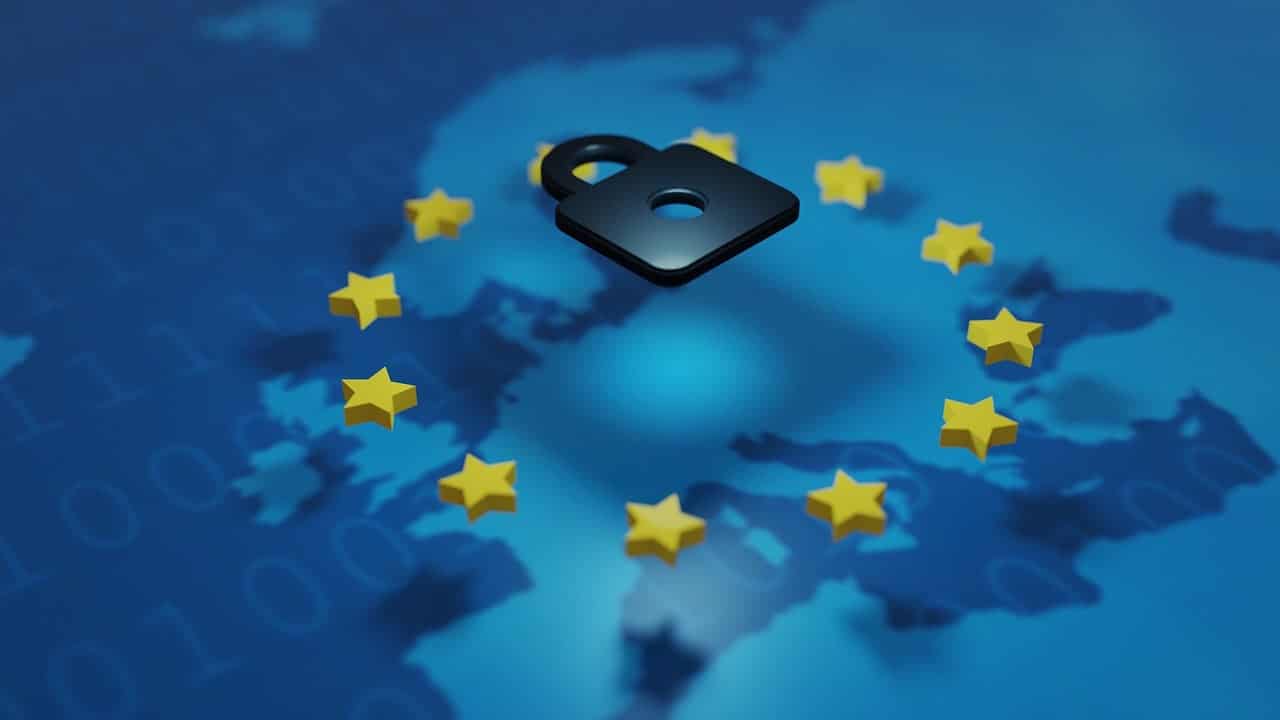
eu 5837837 1280

The EU Data Act is legislation that regulates access to and use of data in the European Union. This article explains the main aspects of the Data Act, based on information from the European Parliament’s official website, the European Commission’s Digital Strategy website, and the European Commission’s official document of February 23, 2022, available on EUR-Lex.

Content Hide
1. Introduction to the EU Data Act
2. Main objectives of the EU Data Act:
2.1. Establishment of fair data contracts
2.2. Protection of trade secrets and public access to data
2.3. Legal certainty and data availability
3. Flexibility when switching cloud services
3.1. Promote the development of interoperability standards
4. Conclusion
4.1. Author: Marian Härtel
Key Facts
  • EU Data Act regulates the access and use of data in the European Union.
  • The law promotes fair contracts and strengthens the rights of users, particularly in the case of networked devices.
  • It protects business secrets and enables public authorities to access private data in emergencies.
  • The Data Act increases legal certainty for companies and consumers through clear rules.
  • It makes it easier to switch between cloud services and protects against unlawful data transfers.
  • The Data Act promotes the development of interoperability standards for data exchange within the EU.
  • Overall, the Data Act aims to create an innovative data economy and promote competitiveness.

The Data Act was introduced to recognize the increasing importance of data in the digital economy and to remove barriers to realizing the full potential of data-driven innovation. Data is an essential component of the digital economy and a critical resource for ensuring green and digital transitions. It was found that most data remains unused or its value is concentrated in the hands of a few large companies. The Data Act aims to unlock the potential of data by creating opportunities for data reuse while removing barriers to the development of the European data economy in line with European rules and values.

The Data Act is an important step in ensuring that businesses in the EU are able to innovate and compete, and in empowering individuals with regard to their data. It sets harmonized rules for fair access to and use of data and is an essential part of the European Strategy for Data, which aims to build a true single market for data and make Europe a global leader in the data agile economy.

The full text of the EU Data Act can be found here. An overview is available here.

Introduction to the EU Data Act

The EU Data Act is a law that regulates the handling of non-personal data. It was developed to govern the exchange and sharing of data generated by the use of networked products and services. The law aims to enable fair data sharing contracts and encourage the development of new services, especially in the field of artificial intelligence.

In addition, the Data Act addresses the challenges posed by the increasing importance of data in the digital economy. It was found that much of the data remains unused or that its value is concentrated in the hands of a few large companies. The Data Act aims to unlock the potential of data by creating opportunities for data reuse while reducing barriers to the development of the European data economy in line with European rules and values.

The Data Act also includes measures to allow users of networked devices to access data generated by those devices and related services and to share that data with third parties. This drives aftermarket services and innovation, while keeping manufacturers motivated to invest in generating high-quality data without compromising their trade secrets.

For the public sector, the Data Act includes mechanisms to allow public agencies to access and use data held by the private sector in cases of public emergencies, such as floods and wildfires, or in implementing a legal mandate when the required data are not otherwise available.

In addition, the Data Act includes new rules that give customers the freedom to switch between different cloud data processing service providers and safeguards against unlawful data transfers to ensure a more reliable and secure data processing environment.

The Data Act is also an important step in strengthening the rights of individuals and businesses with respect to their data. It sets harmonized rules for fair access to and use of data and is an essential part of the European Strategy for Data, which aims to build a true single market for data and make Europe a global leader in the data agile economy.

Main objectives of the EU Data Act:

Establishment of fair data contracts

The Data Act establishes rules for the exchange and sharing of data, with a particular focus on strengthening users’ rights and promoting fair contracts. Users of networked devices and services have the right to access and share the data they generate with third parties. This opens up opportunities for aftermarket services and innovation. The Data Act also contains provisions to protect small and medium-sized enterprises from unfair contract terms and strengthens their negotiating position. The European Commission will develop non-binding model contract terms to help companies negotiate fair data sharing agreements.

Protection of trade secrets and public access to data

The Data Act protects trade secrets by setting clear rules for handling sensitive data. At the same time, it allows public agencies to access data held by the private sector in certain cases, such as emergencies or the implementation of legal mandates. This helps improve decision making based on data and effectively respond to crises.

Legal certainty and data availability

The Data Act increases legal certainty for businesses and consumers by setting clear rules for access to and use of data. It incentivizes manufacturers to invest in generating high-quality data and promotes the availability of data to various stakeholders. This should facilitate the transfer of data between service providers and encourage more players to participate in the data economy.

Flexibility when switching cloud services

The Data Act facilitates switching between cloud service providers and other data processing services by promoting data portability. It introduces new safeguards to prevent unlawful international data transfers by cloud providers and protects customers from vendor lock-in. This is intended to promote competition in the market and increase choice for customers.

Promote the development of interoperability standards

As part of the EU standardization strategy, the Data Act contains measures to promote the development of interoperability standards for data exchange and processing. This will help facilitate the free flow of data within the European Union and between sectors.

Overall, the EU Data Act aims to create a balanced and innovative data economy that protects users’ rights, promotes business competitiveness, and enables the public sector to respond effectively to challenges.

Conclusion

The EU Data Act represents an important legal framework aimed at regulating access to and use of data in the European Union. By creating rules for data sharing, protecting trade secrets, and strengthening the rights of consumers and businesses, the Data Act helps harness the potential of data as a resource for innovation and economic development.

Marian Härtel
Author: Marian Härtel

Marian Härtel ist Rechtsanwalt und Fachanwalt für IT-Recht mit einer über 25-jährigen Erfahrung als Unternehmer und Berater in den Bereichen Games, E-Sport, Blockchain, SaaS und Künstliche Intelligenz. Seine Beratungsschwerpunkte umfassen neben dem IT-Recht insbesondere das Urheberrecht, Medienrecht sowie Wettbewerbsrecht. Er betreut schwerpunktmäßig Start-ups, Agenturen und Influencer, die er in strategischen Fragen, komplexen Vertragsangelegenheiten sowie bei Investitionsprojekten begleitet. Dabei zeichnet sich seine Beratung durch einen interdisziplinären Ansatz aus, der juristische Expertise und langjährige unternehmerische Erfahrung miteinander verbindet. Ziel seiner Tätigkeit ist stets, Mandanten praxisorientierte Lösungen anzubieten und rechtlich fundierte Unterstützung bei der Umsetzung innovativer Geschäftsmodelle zu gewährleisten.

Weitere spannende Blogposts

Data protection in the digital age: Landmark ruling by Cologne Regional Court on the use of Google Analytics

Data protection in the digital age: Landmark ruling by Cologne Regional Court on the use of Google Analytics
11. May 2023

Introduction: An expected verdict and its effects The Cologne Regional Court has sent a signal with a ruling that was...

Read moreDetails

BFH, copyright warnings and VAT

ECJ: Advocate General assesses sampling as copyright infringement
13. May 2019

A judgment of the Federal Finance Court has been in place since 2016, which seems to be unknown to many...

Read moreDetails

Porn shoot or filmed prostitution?

Spree killings announced over the Internet?
7. November 2022

It is always exciting to see what German courts have to deal with. But it's great. The following is my...

Read moreDetails

Twitter must also delete core-like violations

Twitter account and responsibility
29. December 2022

The Frankfurt am Main Regional Court has ruled: Affected persons can demand that Twitter delete false or defamatory tweets about...

Read moreDetails

Artificial intelligence (AI) for process automation

341a2ee477801be4d12fc33c1120d10e
24. September 2024

The introduction of artificial intelligence (AI) into business processes offers enormous opportunities to increase efficiency and competitiveness, but also presents...

Read moreDetails

Affiliate links must be labeled as advertising

Attention: Affiliates on YouTube, gaming websites and other networks
13. August 2024

In a recent ruling (Ref. 29 U 1582/19), the Munich Higher Regional Court clarified that online teasers with affiliate links...

Read moreDetails

“East German” is not bullying in the workplace

“East German” is not bullying in the workplace
7. November 2022

The disparagement of an employee because of his or her East German origin does not constitute discrimination within the meaning...

Read moreDetails

AI expertise in startups: Do small companies really need an AI officer under the EU AI Act?

*Breaking?* First decision of the BGH on AI
23. January 2025

AI Literacy and the interpretation of Article 4 of the EU AI Act The EU AI Act, which came into...

Read moreDetails

Esport Contracts: Professional Players

Small summary – Blizzard vs. Bossland
21. December 2016

Just before Christmas, part two of my remarks on esport and the related contracts. As announced, this part of the...

Read moreDetails
ChatGPT and lawyers: recordings of the Weblaw launch event
Law on the Internet

Private AI use in the company

24. October 2025

Private accounts on ChatGPT & Co. for corporate purposes are a gateway to data protection breaches, leaks of secrets and...

Read moreDetails

Lego brick still protected as a design patent

App purchases, in-app purchases and sales tax

21. October 2025
dsgvo 1

What belongs in a DPA? Data processing agreement in accordance with Art. 28 GDPR

17. October 2025
Smart contracts in the insurance industry: contract design and regulatory compliance for InsurTech start-ups

Contract for work vs. service contract in software, AI and games projects

15. October 2025

Influencer contract: performance profile, rights/buyouts, labeling and AI content

13. October 2025

Podcastfolge

c9c5d7fd380061a8018074c2ca5a81bf

Startups and innovation in Germany – challenges and opportunities

26. September 2024

This insightful podcast episode takes an in-depth look at the startup and innovation landscape in Germany and Europe. The discussion...

Read moreDetails
Looking to the future: How technology is changing the law

Looking to the future: How technology is changing the law

18. February 2025
86fe194b0c4a43e7aef2a4773b88c2c4

On the dark side? A lawyer in the field of tension of innovative start-ups

26. September 2024
8315f1ef298eb54dfeed2f5e55c8b9da 1

First test episode of the ITMediaLaw Podcast

26. August 2024
052c2ca5ca0421f0316b42073ce61791

Innovative business models – risk and opportunity at the same time

10. September 2024

Video

My transparent billing

My transparent billing

10. February 2025

In this video, I talk a bit about transparent billing and how I communicate what it costs to work with...

Read moreDetails


Fascination between law and technology

Fascination between law and technology

10. February 2025
My two biggest challenges are?

My two biggest challenges are?

10. February 2025
What really makes me happy

What really makes me happy

10. February 2025
What I love about my job!

What I love about my job!

10. February 2025
  • Privacy policy
  • Imprint
  • Contact
  • About lawyer Marian Härtel
Marian Härtel, Rathenaustr. 58a, 14612 Falkensee, info@itmedialaw.com

Marian Härtel - Rechtsanwalt für IT-Recht, Medienrecht und Startups, mit einem Fokus auf innovative Geschäftsmodelle, Games, KI und Finanzierungsberatung.

Welcome Back!

Login to your account below

Forgotten Password? Sign Up

Create New Account!

Fill the forms below to register

All fields are required. Log In

Retrieve your password

Please enter your username or email address to reset your password.

Log In
  • Informationen
    • Ideal partner
    • About lawyer Marian Härtel
    • Quick and flexible access
    • Principles as a lawyer
    • Why a lawyer and business consultant?
    • Focus areas of attorney Marian Härtel
      • Focus on start-ups
      • Investment advice
      • Corporate law
      • Cryptocurrencies, Blockchain and Games
      • AI and SaaS
      • Streamers and influencers
      • Games and esports law
      • IT/IP Law
      • Law firm for GMBH,UG, GbR
      • Law firm for IT/IP and media law
    • The everyday life of an IT lawyer
    • How can I help clients?
    • Testimonials
    • Team: Saskia Härtel – WHO AM I?
    • Agile and lean law firm
    • Price overview
    • Various information
      • Terms
      • Privacy policy
      • Imprint
  • Services
    • Support and advice of agencies
    • Contract review and preparation
    • Games law consulting
    • Consulting for influencers and streamers
    • Advice in e-commerce
    • DLT and Blockchain consulting
    • Legal advice in corporate law: from incorporation to structuring
    • Legal compliance and expert opinions
    • Outsourcing – for companies or law firms
    • Booking as speaker
  • News
    • Gloss / Opinion
    • Law on the Internet
    • Online retail
    • Law and computer games
    • Law and Esport
    • Blockchain and web law
    • Data protection Law
    • Copyright
    • Labour law
    • Competition law
    • Corporate
    • EU law
    • Law on the protection of minors
    • Tax
    • Other
    • Internally
  • Podcast
    • ITMediaLaw Podcast
  • Knowledge base
    • Laws
    • Legal terms
    • Contract types
    • Clause types
    • Forms of financing
    • Legal means
    • Authorities
    • Company forms
    • Tax
    • Concepts
  • Videos
    • Information videos – about Marian Härtel
    • Videos – about me (Couch)
    • Blogpost – individual videos
    • Videos on services
    • Shorts
    • Podcast format
    • Third-party videos
    • Other videos
  • Contact
  • en English
  • de Deutsch
Kostenlose Kurzberatung